A balloon garland kit saves time and stress for party hosts. The kit gives balloons, a strip, tape, and instructions. The buyer reads details to match size, color, and skill level. This guide explains what a balloon garland kit contains and how to set one up step by step.
Key Takeaways
- A balloon garland kit includes balloons, a plastic strip with holes, adhesive dots, often a pump, and instructions to simplify party decoration.
- Choosing the right balloon garland kit involves matching balloon sizes, colors, strip length, and extra features to your event theme and space.
- Setup involves inflating balloons to recommended sizes, threading them through the strip in varied sizes and colors, and securing the garland with hooks or fishing line.
- Avoid overinflating balloons, spacing them too far apart, and hanging garlands in direct sunlight to prevent popping and maintain a full look.
- Pro tips for longevity include inflating balloons within 24 hours of the event, using cornstarch to reduce sticking, and storing unused balloons properly.
- Carrying extra balloons, adhesive dots, and a pump helps fix issues on-site and ensures your balloon garland remains vibrant and intact.
What’s Included In A Balloon Garland Kit And How To Choose The Right One
A balloon garland kit usually includes latex balloons, a plastic strip with holes, adhesive dots, and a length of fishing line or cord. The kit often includes a manual. Some kits include a hand pump. The buyer checks balloon sizes, counts, and color mix before purchase. They choose a kit that matches the event size and theme.
Most kits list balloon sizes in inches. Common sizes include 5, 9, and 12 inches. The buyer prefers a mix of sizes to get a layered look. The kit that lists counts for each size helps with planning. The buyer checks total balloon count. The buyer checks whether the kit offers extras like confetti or foil letters. The buyer verifies whether a pump is included. The buyer prefers a pump if they plan to inflate many balloons.
The buyer compares balloon quality. Thicker latex lasts longer. The buyer reads product notes for biodegradable materials if that matters. The buyer checks the strip length and hole spacing. The buyer checks whether the strip fits arch frames or doorways. The buyer measures the event space and matches the strip length to that space.
The buyer reads reviews to check ease of use. A kit that includes clear instructions helps a beginner. A kit that advertises a professional look may include different shaped balloons or a variety pack. The buyer balances price and included items. The buyer picks a kit that reduces setup time and gives the desired look for the event.
Step-By-Step Setup: From Prep To Finished Garland
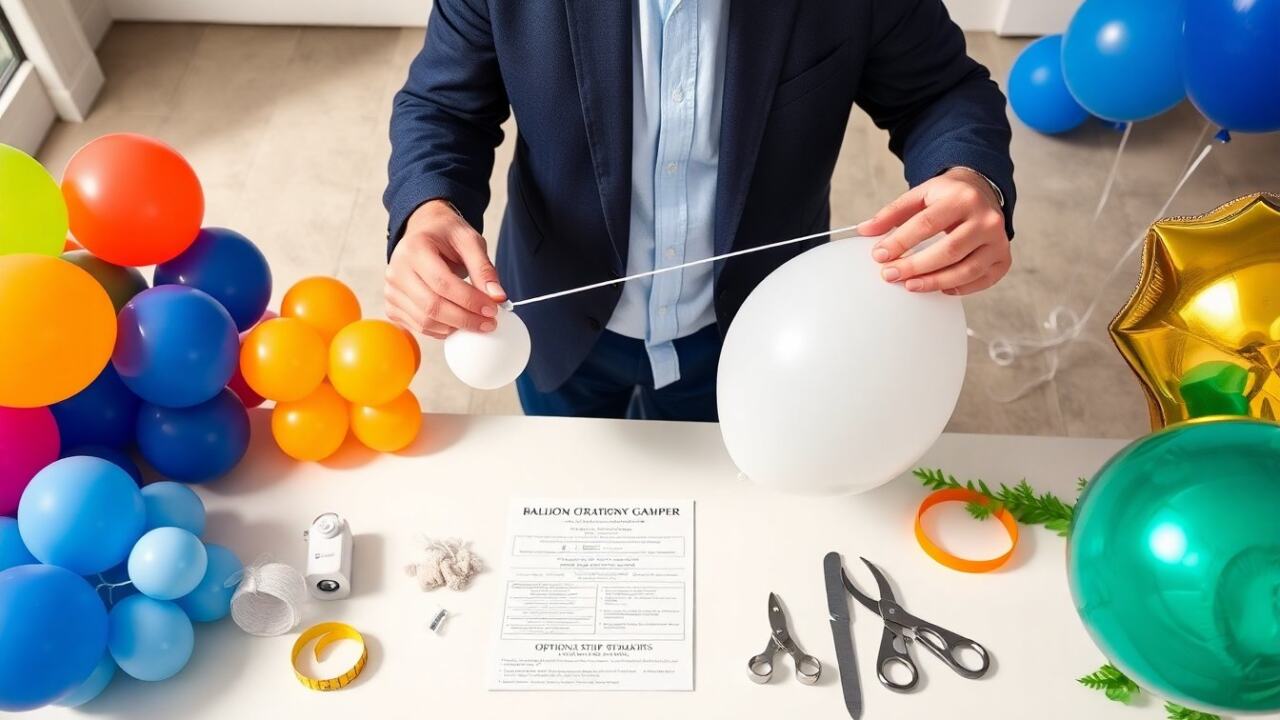
A user sets up the workspace first. They choose a flat surface and clear the area. They sort balloons by color and size. They inflate balloons in batches. They use a hand pump or an electric pump. They tie each balloon securely.
The user prepares the strip next. They thread the first balloon through a hole in the plastic strip. They push the knot into the hole so the balloon sits firm. They add a second balloon next to the first. They alternate sizes and colors to create visual variation. They keep the spacing tight to get a full look.
The user steps back and checks balance often. They add smaller balloons to fill gaps. They use adhesive dots to glue small balloons over seams. They tie fishing line to both ends of the strip if the kit includes it. They attach the garland to the wall with removable hooks or command strips. They adjust the shape to form a curve or an arch.
The user secures the ends. They add a few accent balloons or foil pieces if included. They add greenery or ribbon for contrast. They test the garland for stability by gently shaking it. They move the garland into place and step back to check symmetry. They make final tweaks until they achieve the desired look.
Common Mistakes To Avoid And Pro Tips For Longevity
Many people overinflate balloons. Overinflation increases burst risk. The user inflates balloons to the listed sizes. The user leaves a small neck on each balloon to allow movement. Many people space balloons too far apart. Wide gaps ruin the full look. The user keeps balloons close and fills gaps with small balloons.
People skip testing the strip and hooks. Skipping tests leads to falls during the event. The user tests attachment points before final setup. People hang garlands in direct sun or near heaters. Heat causes balloons to expand and pop. The user places the garland in a shaded, cool area.
A few pro tips extend life. The user stores unused balloons in a dry, cool place before the event. The user inflates balloons no more than 24 hours before the event for best appearance. The user uses a small amount of cornstarch on hands to reduce balloon sticking when assembling. The user uses adhesive dots sparingly to avoid residue on walls.
For travel and reuse, the user partially deflates the garland and packs it flat. The user reinflates small balloons at the venue to restore volume. The user buys extra balloons in the kit to replace any that pop during setup. The user keeps a small repair kit with spare adhesive dots and a pump on site.
Using these checks and tips helps the garland stay intact and look fresh for the event. A well-chosen balloon garland kit and careful setup save time and give a high-impact display.