| Decision | Typical guidance | Planning use |
|---|---|---|
| Start planning | At least two months before a larger party; longer for a big guest list | Reserve this window for date, venue and vendor decisions before you buy anything. Begin sooner as the list grows. |
| Send invitations | About one month before the party | Use it as your default send date. Earlier invitations make attendance more likely. |
| Number to invite | About 20% more people than the venue can fit; on average 70-80% of invitees attend | Use it to set the invite list against venue capacity, not against the number you hope will come. |
| Cost per person | Around $30-$60 per person | Cross-check your total budget once the guest count is firm. |
Timing and guest-count figures come from a party planning checklist from a print retailer, and the per-person cost range from an event-planning checklist.
How to plan a party comes down to settling the occasion, budget, venue, date and guest count first, then working backwards to invitations, supplies and activities. Larger guest lists need a longer runway.
Occasion changes the details more than the order of the work. Start with the decisions and timeline below, then jump to the party-type section for guides on children’s birthdays, showers and milestone celebrations. If the guest of honour should not know about the event, read how to plan a surprise party before any invitation goes out.
Decisions to make before anything else
Every party plan rests on the same big-picture questions: what the occasion is, when it will happen, what the budget is, where it will take place, roughly how many people will come, and what the party is meant to achieve. A party planning checklist puts these questions ahead of any shopping, and the order is sensible because each answer narrows the next.
- Occasion and goal. A milestone birthday, a shower and a casual get-together pull the plan in different directions. Write the goal down in a sentence, then test every later choice, from venue to activity, against it.
- Date. Confirm the date with the guest of honour and the few people who must attend before you approach any venue. Vendor choices depend on the date, so changing it late means redoing them.
- Budget. Set a total before you browse. The budget section below shows how to use a per-guest range as a sanity check.
- Location. Decide whether you are hosting at home or booking a space, because that choice decides how many supplies you must provide yourself.
- Guest count. A rough number is enough at this stage. It tightens once invitations are out and responses arrive.
Be your own party planner or share the work
Unless you hire a professional, you are the party planner, and the job is mostly coordination. Decide who handles food, who tracks the guest list and who runs the activities. Naming an owner for each area early stops everything landing on the host in the last few days. Larger gatherings are where outside help starts to earn its cost, a point the FAQ at the end picks up.
Party planning timeline
Planning a party from start to finish follows a fairly fixed order: big decisions, then date and venue, then guests, then supplies and food. The order stays the same for any size of party, while the lead time grows with the guest list.
Two to three months out
One party planning checklist recommends starting at least two months before the party, and longer if the guest list is large. At that point the work is decisions rather than purchases: set a more detailed budget, decide on the exact location and venue, and lock in the date. An event-planning checklist groups the same tasks into a window of two to three months before the party and adds the theme, entertainment and guest list.
The same checklist advises listing every party supply you will need before you finalise guests or vendors. Doing so means those decisions are made with the full shopping list in view. If the party has a theme, choose it in this window too, because decor, invitations and food all follow from it. For adult celebrations, the guide to 50 Stylish Party Themes For Adults — How To Pick The Perfect One In 2026 – Invitingoccasion helps narrow the choice.
The middle weeks
Between the early decisions and the final order, three things happen: the venue is secured, invitations go out and responses start to arrive. The next two sections cover each. Resist ordering anything perishable during this stretch. The headcount is still moving, and buying early only locks in a number you will have to correct.
The final week
One home-party checklist schedules food, cake and drinks to be ordered 3-7 days before the party. Place the order only after you have checked your response list, since the checklist advises keeping an updated list of responses so you can accurately gauge numbers before ordering. If people are still undecided, chase them once, then plan for the yes answers you have.
Guest list and invitations
The guest list is the number that drives almost every other decision, so set it early and revisit it as responses arrive.
Sizing the list against the venue
The size of the guest list affects venue selection, seating and catering, according to a birthday-planning guide from an event venue. Build the list backwards from what the space can hold. A party planning checklist suggests inviting about 20% more people than the venue can fit, because on average 70-80% of invitees attend. Response rates also depend on the kind of invitation: for cocktail-style invitations, one event-planning checklist puts the average at 60% of invitees responding yes.
These are averages, not guarantees. The overage rule suits an open party in a room with a firm limit, where some guests will not make it. It suits a seated meal with assigned places much less, because there every extra yes is a seat you must provide. In that case count responses one by one and invite closer to capacity.
How far ahead to send invitations
For most parties, the answer to how far ahead to send invitations is about one month before the party, the point at which the checklist puts the send-out step. The same source notes that the further in advance invitations go out, the more likely guests are to attend. If you want to be sure key guests are free, one how-to guide suggests starting to talk about the party 2-6 weeks in advance. Treat the one-month mark as your default and send earlier when the date is competitive or guests have to travel.
Wording and responses
Good wording states the occasion, date, time, place and how to respond, and sets the tone for the event. The guide to party invitation wording offers examples for different moods, from relaxed to formal. Ask for a reply by a set date so the headcount is settled before you place food orders, and keep every answer in one list instead of across texts and emails.
Setting the party budget
A party budget works best as a total set early, a per-guest range used as a cross-check, and a written list of where the money goes.
Cost per guest
An event-planning checklist says a party costs around $30-$60 per person. That range is a typical figure rather than a target, so use it to test your plan. Compare it with your total and your guest count. If your numbers fall well short, expect to simplify the menu, shorten the event or trim the list, and decide which of those you can live with before booking anything.
How budget, headcount and venue interact
One party planning checklist illustrates its big-picture questions with a $1,500 budget, around 40 invitees and a hired private room. The useful lesson is that the three answers constrain one another. Change one and the others usually have to move with it. A larger guest list or a paid room leaves less for food, decor and entertainment, while a home venue frees money for other things.
Put expenses in writing
A guide from an event venue points out that outlining your expenses in advance lets you allocate funds to the most essential elements. List every cost area, mark the ones the party depends on, such as food, space and the main activity, and protect those first. Decor and extras absorb whatever remains.
Choosing the venue
The right venue is the one that fits the guest list, the budget and how much hosting work you want to take on.
Home or a dedicated space
The same venue guide acknowledges that some people host at home, but says a dedicated event space offers advantages, including professional support and easier setup and cleanup. Home suits a small, relaxed party where you control the schedule and the cost. A dedicated space suits hosts who would rather spend the day with guests than manage logistics, and it makes more sense as the guest list outgrows your rooms.
What the venue provides
Before you compare quotes, ask each venue or caterer whether it provides tables, chairs, glassware, plates and cutlery. The checklist lists these items as questions to settle, and the answer changes both the price comparison and your own supplies list. A cheaper space that supplies nothing can cost more in the end than a pricier one that includes furniture and tableware.
Deposits and what they unlock
Once you have paid a deposit and locked in the venue, the other decisions can follow, because vendor choices depend on the date and the space. For that reason, check the venue’s capacity against your realistic guest list before you pay. A deposit is the point at which the plan stops being flexible.
Supplies and setup
A supplies list turns the plan into a shopping list, and writing it early keeps the budget honest. The checklist names invitations, decorations, linens, signage, furniture, food, glassware, plates and cutlery as the core categories.
- Look and tone. Invitations, decorations, linens and signage set the atmosphere. Choose them together so they match the theme and do not become separate impulse buys.
- Seating and service. Furniture, glassware, plates and cutlery are the items a venue may or may not provide. Cross them off the list only after the venue confirms it.
- Food and drink. These depend on the final response list, so they are the last items to order.
Party favors also belong on the list if you plan to give them. The guide to party favor ideas covers what to give and how much to spend, which helps you set a favor line in the budget before you shop.
Activities that keep guests entertained
The activities that keep guests entertained are the ones matched to who is in the room, with a simple focus for arrival and a clear plan for the main event.
Give arrivals one focus
One party planning checklist advises choosing one thing people can focus on when they arrive. A single shared activity gives early arrivals something to do while others trickle in, and it spares you from hosting every conversation yourself. Keep it easy to join and easy to leave.
Choosing party games and entertainment
An event-planning checklist says you can choose anything from dancing to board games to trivia competitions. Match the choice to the guests and the space. Dancing needs open floor and works for a group that already knows each other. Board games and trivia suit smaller groups who like to chat. Party games with a clear start and finish work best when the guests do not all know one another, because the game gives everyone something to talk about.
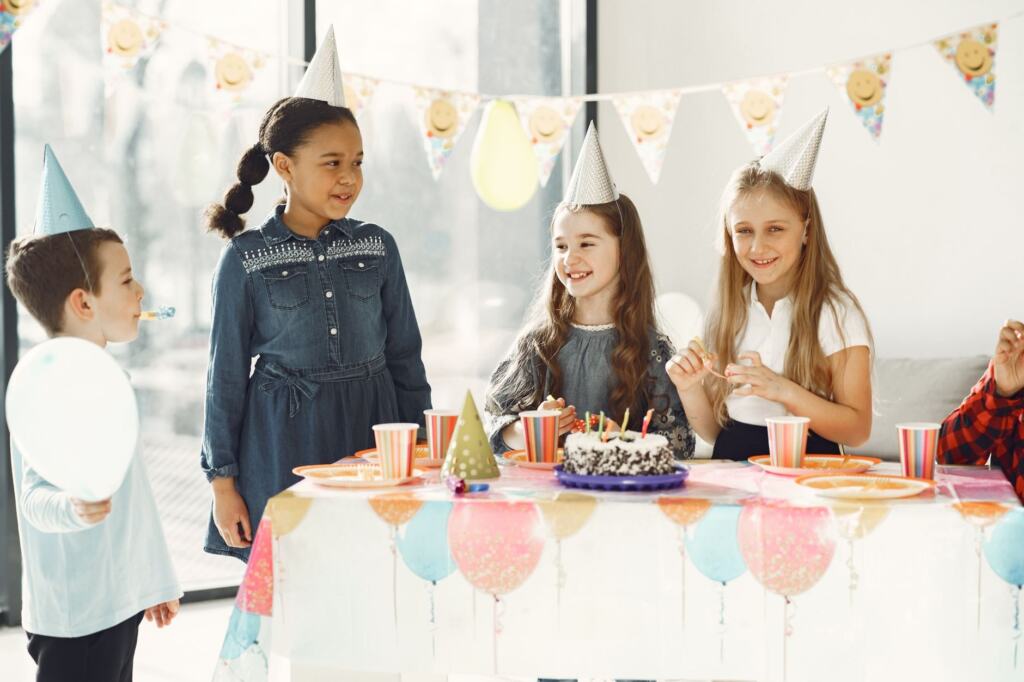
Games for showers
Showers lean heavily on games. For baby showers, 21 Fun Baby Shower Game Ideas To Delight Guests In 2026 – Invitingoccasion collects ideas for guests of mixed ages. For bridal showers, Printable Bridal Shower Games: 25 Fun, Easy-To-Print Ideas + How To Use Them In 2026 – Invitingoccasion suits hosts who want sheets ready to hand out, and Hilarious Bridal Shower Games Free: 10 Laugh-Out-Loud Ideas And How To Run Them – Invitingoccasion leans toward louder, funnier rounds.
Age groups
Age shapes the choice more than the occasion does. For children, the birthday-by-age guides in the party-type section below give themes, games and snacks suited to each stage. For teens and adults, a shared activity, a game and a drinks plan usually cover the evening. Whichever age group you plan for, schedule the main activity after most guests have arrived, so nobody misses the high point.
House party checklist
A house party checklist is shorter than a venue-based plan, since you skip the booking and supply the space yourself. A small home spa party in one home-party checklist shows how a compact home plan can run.
Example: a small spa party at home
- Set the invite list. The example invites 4-8 people, a size that suits a living room and keeps the host able to talk with everyone.
- Book the service early. The massage therapist is booked 2-3 weeks before the party, for a session of 1-2 hours in which each person gets a 10-15 minute massage.
- Plan the drinks by age. The example serves bubble tea for teens and mimosas for adults, which shows how one party format can be adapted to different guests with a single swap.
- Order food and drinks late. The same timeline places orders 3-7 days before the party, once responses are in.
The pattern carries to other house parties. Keep the list within what your rooms can hold, book anyone you are hiring ahead of the supplies, and tailor the menu to the ages of your guests. Because there is no venue to supply furniture or tableware, check that you have enough seating and serving items for the final headcount.
Planning by party type
Each party type shifts the emphasis of the plan: who attends, which activities fit and what guests expect to take home. These guides go deeper on the types readers plan most.
Children’s birthdays
Children’s parties change quickly with age, so pick a guide that matches the birthday. For a first birthday, 12 Unique First Birthday Party Ideas For Boys — Creative Themes, Activities, And Keepsakes For 2026 – Invitingoccasion and First Birthday Magic: 25+ Creative Girl Party Ideas To Celebrate Year One (2026) – Invitingoccasion cover themes and keepsakes. For school-age children, Awesome 8th Birthday Party Ideas Kids Will Love (Easy Themes, Games, And Snacks — 2026) – Invitingoccasion suits younger children, 11-Year-Old Birthday Party Ideas: 25 Fun Themes, Games, and Planning Tips for 2026 – Invitingoccasion covers the preteen stage, and 12th Birthday Party Ideas That Wow: 25+ Themes, Activities, and Easy Plans for 2026 – Invitingoccasion suits older children.
Baby showers
A baby shower leans on gifts, games and keepsakes. For something to write in and keep, 50 Sweet Baby Shower Card Ideas To Delight New Parents (2026 Edition) – Invitingoccasion is a good start. For what guests take home, 40 Thoughtful Baby Shower Favor Ideas Your Guests Will Actually Use (2026 Edition) – Invitingoccasion focuses on practical favors, and Baby Boy Shower Ideas: Fresh Themes, Decor & Games For 2026 – Invitingoccasion helps with a boy-themed shower.
Milestones and adult celebrations
Adult parties turn on the guest of honour and the tone. For a milestone birthday, 50 And Unforgettable: 25 Unique 50th Birthday Party Ideas To Celebrate In Style – Invitingoccasion has themed ideas. For a send-off from work, Retirement Party Ideas: 25 Creative Ways To Celebrate A New Chapter In 2026 – Invitingoccasion covers the occasion, and for a school or university finish, 25 Unique Graduation Party Ideas To Celebrate Creatively In 2026 – Invitingoccasion has ideas for a creative celebration.
Frequently asked questions
Is hired help worth it for a larger gathering?
One party planning checklist suggests delegating to hired help for a gathering of 15 or more, if it fits the budget. It is most useful for serving, setup and cleanup, which free the host to enjoy the party.
How much should I tip a children’s party entertainer?
An event-planning checklist says children’s party entertainers usually expect tips. Build that into the budget alongside the entertainer’s fee.
How can I reduce cleanup after a home party?
Use disposable eco-friendly plates and silverware, as one home-party checklist suggests. This removes the largest washing-up task and keeps the supplies list simple.