| Moment | Typical allowance | Planning use |
|---|---|---|
| Ceremony | 30 minutes or less | Hold the block tight. If your ceremony will be longer, shift the blocks around it. |
| Hair and makeup | About an hour per person | Count how many people need styling before you fix the morning start. |
| Couple portraits after a first look | 30 minutes | Gets the couple’s photos done before the ceremony. |
| Bridal party portraits | 30 minutes | Schedule them as a separate block so the group is not waiting around. |
| Family formals | 15-30 minutes | Use the short end for a small family and the long end for a large one. |
| Cushion between events | 30 minutes to an hour between some events | Spend it where a late start would push back everything after it. |
Allowances are drawn from Kate Holt Photography’s sample timeline and Hayley Moore’s timeline guide.
A typical wedding day timeline lasts about 5-6 hours for a Western-style wedding, and it holds up best with 30 minutes to an hour of cushion between some events.
The sections below show what each choice does to the rest of the day. For the wider picture, see how to plan a wedding step by step.
Why buffers matter more than the schedule itself
The most common failure in a wedding day timeline is not a wrong estimate but a missing gap. Planning.wedding warns that when you do not give a part of the day enough time, events begin to roll into each other. A hair appointment that runs long then squeezes portraits, which squeezes the ceremony. The Magnolia Springs venue puts it plainly: things rarely go exactly on time, so build in a buffer.
A buffer is only useful where it sits. These are the places the evidence supports:
- Before the ceremony. Sarah Ainsworth’s 9-hour sample includes an intentional 30-minute pre-ceremony break. It is the cheapest insurance in the day, because everything before it can slip without the ceremony being late.
- For early guests. Kate Holt notes that guests tend to come a little early, so the lead-up to the ceremony needs to tolerate people arriving while the couple is still finishing portraits or touch-ups.
- Around travel. Hayley Moore reminds couples to factor in travel time if they are bouncing around locations. Each extra location adds a gap that has to be written into the plan.
- Between some events, not all. The guidance is a cushion between some events, so you do not need a gap after every item. Choose the transitions where lateness would hurt most, such as getting-ready to portraits and portraits to ceremony.
Morning prep and getting ready
The morning is where the day’s first delays appear, and hair and makeup is the usual cause. Hayley Moore’s guide says it usually takes about an hour for each person to have hair and makeup done. For a whole group, planning.wedding suggests about 3 hours is generally enough time to get everyone ready. If your group is large, work from the number of people being styled and not from a round figure, then add cushion on top.
In the 9-hour sample from Sarah Ainsworth, the getting-ready block itself is 1 hour, running from 1:30 to 2:30. That works because the hair and makeup for the group has already happened earlier. The photographer is capturing the final stages of dressing, not waiting on styling.
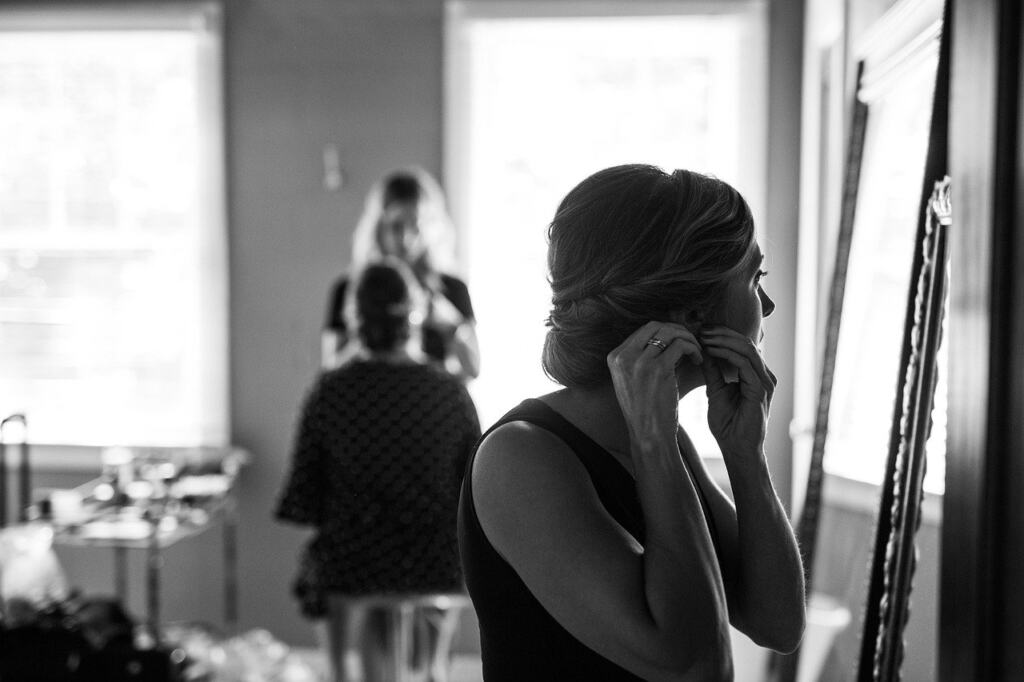
If your getting-ready spaces are separate, a second photographer changes the plan. Kate Holt points out that the getting-ready window is a great time to have a second wedding photographer, so both rooms are covered at the same time. That lets you avoid staging everything in one place just to suit one camera.
Ceremony, family formals and couple portraits
Ceremony length
Plan the ceremony as a short block. Kate Holt says most ceremonies are 30 minutes or less, and that a longer one means adjusting the blocks around it. Hayley Moore’s sample has the ceremony starting at 5:00 and lasting about 30 minutes. A longer ceremony does not break the plan, but it does eat into whatever follows, so protect the next transition first.
How long photos take
Photos are a set of blocks, and the first-look decision determines where they fall. These are the durations supported by the photographer guides:
- Family formals. Kate Holt says these portraits usually happen right after the ceremony. Hayley Moore says they last about 15-30 minutes depending on family size. Sarah Ainsworth organises them from largest groupings down to smallest, which releases guests sooner and keeps the last groups short.
- Couple portraits with a first look. Kate Holt’s sample gives the couple a 30-minute block, followed by a separate 30-minute block for the bridal party. Both finish before the ceremony, so the post-ceremony window is left for family.
- Couple portraits without a first look. Sarah Ainsworth’s sample gives the couple 20 minutes alone straight after family portraits. That is a shorter slot, so it suits couples who are happy to get a smaller set of images.
If you want a longer unhurried portrait session, a first look is the choice that gives you the time, because it moves portraits out of the busy post-ceremony stretch. If you prefer to see each other for the first time at the ceremony, keep the post-ceremony photos tight and let the photographer use cocktail hour for the rest.
Cocktail hour overlap
Cocktail hour is the buffer that keeps guests content while portraits finish. Hayley Moore describes the couple’s romantic portraits taking place while guests are mingling and enjoying the hour, and her sample sets cocktail hour at 6:00 pm after family formals. The Magnolia Springs sample instead starts cocktail hour at 5:30 PM, straight after a 5:00 PM ceremony. The practical difference is how much portrait work happens before guests are released to the bar.
Reception order: first dance, dinner, toasts and cake
The first dance has no single correct slot, but the venue sample places it at the very start. The Magnolia Springs timeline begins the reception at 6:30 PM with the grand entrance, the first dance, and the start of dinner service. Cake cutting and toasts follow at 8:00 PM. Putting the first dance at the entrance means the couple’s most-photographed moment happens while every guest is seated and attentive, rather than competing with dinner or a late-night crowd.
Whatever order you pick, the person running the day should own it. Sarah Ainsworth’s photographers follow the planner’s order of events while documenting the grand entrance, first dances, toasts and cake cutting. Giving the photographer that same order lets them be in position for each moment.
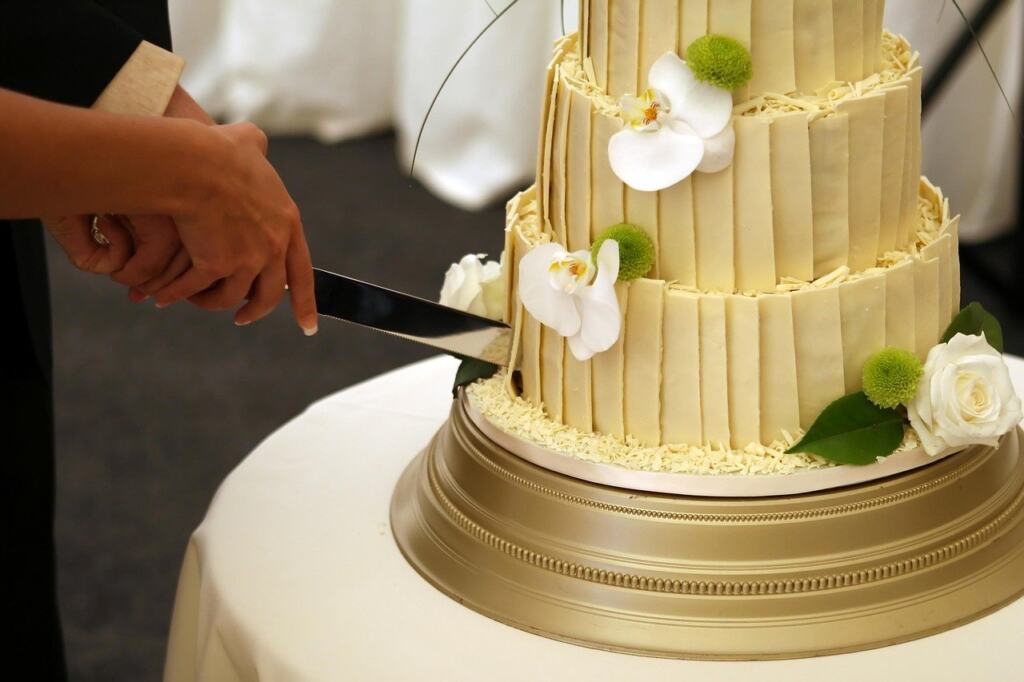
Dancing deserves its own protected time. Kate Holt includes 8 hours of coverage to capture the key reception moments and about an hour of dancing. If dancing matters to you, do not let toasts or a delayed dinner squeeze it out. Move or shorten something earlier instead.
Small details are easier to settle before the schedule is final. If favors are part of your reception, Personalized Wedding Favors: Creative, Budget-Friendly Ideas & How To Personalize Them In 2026 – Invitingoccasion covers ideas to decide ahead of time.
A sample wedding day timeline to adapt
For a simple evening skeleton, the venue sample from Magnolia Springs runs like this:
- 5:00 PM: ceremony.
- 5:30 PM: cocktail hour.
- 6:30 PM: grand entrance, first dance, and dinner service begins.
- 8:00 PM: the cake is cut and the toasts are given.
This sample tells you the order of events, not where the slack lives, so add your cushion yourself. Put the earlier buffers from the morning and pre-ceremony stretch ahead of it, and use the sample as the evening half of your own plan. The venue guidance is clear that most receptions run 4-5 hours, which includes dinner, toasts and dancing, so the evening needs room to breathe as well.
Once you have a draft, check it against your booking dates and vendor confirmations in The Ultimate 12-Month Wedding Planning Checklist: Stress-Free Steps To Your Perfect Day (2026 Edition) – Invitingoccasion, so the timeline reflects what has actually been booked.
Frequently asked questions
Can sunset portraits fit into a wedding day timeline?
Sometimes. Sarah Ainsworth’s approach is to slip away briefly during the reception if the timeline allows, which keeps the evening light without taking the couple away from guests for long.
How long does a wedding reception usually last?
Magnolia Springs says most receptions are 4-5 hours, covering dinner, toasts and dancing. Use that as the length of the evening block when you set an end time.
How much dancing time should I plan for?
Kate Holt’s sample includes about an hour of dancing within its 8 hours of coverage. If you want more, protect it by trimming earlier items rather than starting later.