Wedding flower centerpieces should reflect the venue and the couple’s style. This guide shows clear options, cost tips, and setup steps. It helps planners pick flowers, size arrangements, and avoid common mistakes. The guide focuses on practical choices that keep costs down and maintain a fresh look on the wedding day.
Key Takeaways
- Wedding flower centerpieces should match the venue’s style and scale, using tall arrangements for ballrooms and low, wide clusters for barn or backyard settings.
- Set a clear floral budget early, typically 10–15% of the total wedding spend, and choose centerpiece sizes based on table dimensions to keep costs predictable.
- Select flowers that maintain shape and color throughout the day, balancing trendy and classic blooms, while matching stem length to vase height.
- Consider DIY centerpieces to save money but factor in significant time for assembly, while hiring a florist ensures professional setup and saves time on complex designs.
- Plan careful transport and day-of setup with proper storage, secure placement, and backup supplies to prevent damage and keep wedding flower centerpieces fresh and beautiful.
How To Choose A Centerpiece Style That Matches Your Venue And Vision
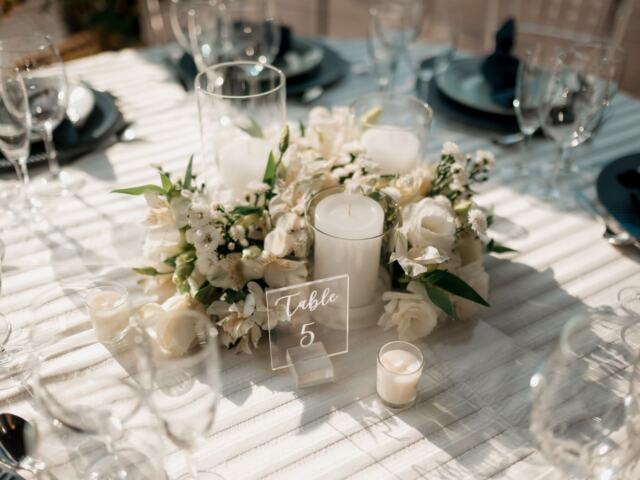
They start by matching centerpiece scale to the room. For ballrooms, tall arrangements lift the eye. For barn or backyard venues, low and wide clusters suit the space. They consider color and texture next. Neutral palettes blend with historic venues. Bright palettes add energy to modern spaces. They check table shape and linen color before finalizing a style. They test one sample centerpiece on-site to ensure the centerpiece works with lighting and sightlines. Wedding flower centerpieces should complement the table, not block conversation.
Budgeting, Sizing, And Quantity: What To Spend And How Many You Need
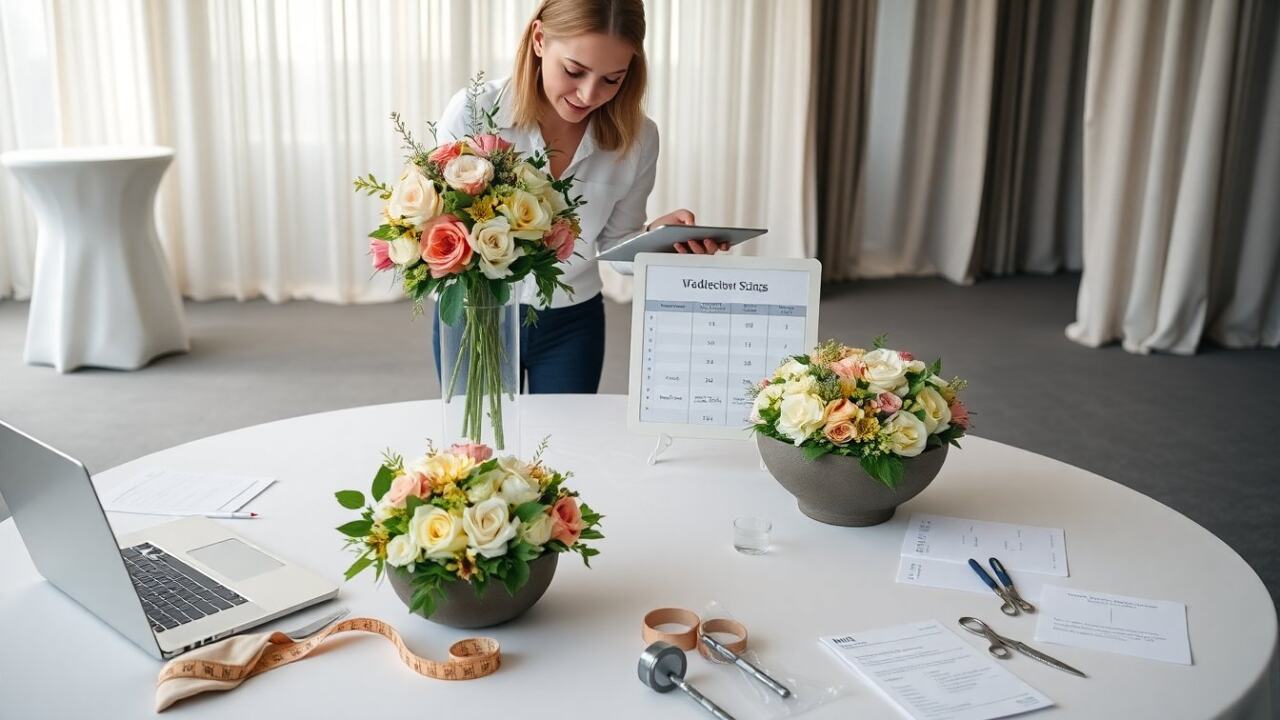
They set a clear floral budget early. Typical budgets allocate 10–15% of the total wedding spend to centerpieces. They pick centerpiece size based on table diameter: small (10–14″) for 60″ rounds, medium (15–20″) for 72″ rounds, large (20″+) for banquet tables. They count tables and add 5–10% spare pieces for cocktail areas. They weigh cost drivers: flower type, vase choice, and labor. They compare rental vases versus buying to control cost. Wedding flower centerpieces can range widely: clear priorities keep costs predictable.
Choosing The Right Flowers For Your Centerpieces
They pick flowers for look, price, and season. They favor blooms that hold shape and color for long hours. They mix a focal flower with filler and greens. They match stem length to vase height. They avoid fragile blooms for hot venues. They balance trends with classic choices so arrangements age well in photos. They test a small bunch under venue light. They confirm the final flower list with the florist or supplier before ordering. Wedding flower centerpieces must look good for the ceremony and reception.
DIY Centerpieces Vs. Hiring A Florist: Pros, Cons, And Realistic Time Estimates
They compare cost and time when choosing DIY or florist services. DIY saves labor costs but requires time and skill. Florists save time and handle delivery and setup. They estimate DIY time at 1–2 hours per centerpiece for a novice and 30–45 minutes for someone with some experience. They add time for sourcing flowers, conditioning stems, and assembly. They factor in a rehearsal build for large events to test timing. They budget for cleanup and extra materials. They choose the florist route for complex designs and tight schedules. Wedding flower centerpieces benefit from professional handling when time is limited.
Transport, Setup, And Day‑Of Care: Logistics To Prevent Floral Disasters
They plan transport with stable boxes and flat surfaces. They secure vases so they do not tip in transit. They assign a point person to accept deliveries and store flowers in a cool room. They set a setup schedule that keeps arrangements in water until the last minute. They place centerpieces after table linens and place settings are complete. They bring spare stems, tape, scissors, and a small water bottle for touch-ups. They plan for weather: shade and mist for heat, covered transport for rain. These steps reduce the risk of damaged wedding flower centerpieces on the day.